Trenchless Utility Installation
Horizontal Directional Drilling Support in Boynton Beach
Plan your proposed bore path with underground conditions in mind. Get a Free Estimate
Trenchless Utility Installation
Plan your proposed bore path with underground conditions in mind. Get a Free Estimate
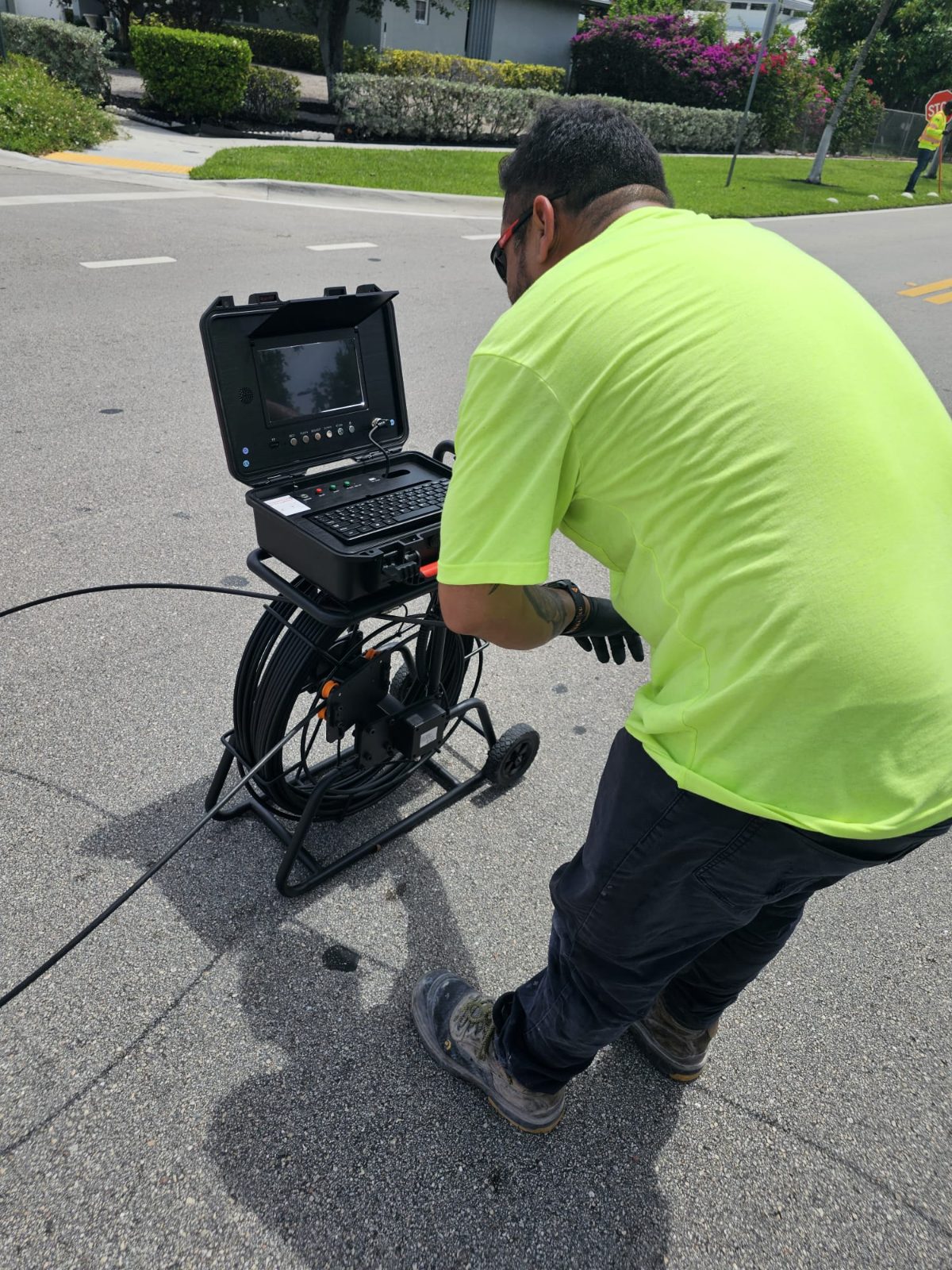
Horizontal directional drilling, or HDD, installs underground utilities along a planned bore path with less continuous surface excavation than traditional open-cut installation. It is commonly considered for water, communications, electrical conduit, and other utility projects where surface disruption needs to be managed. Although trenchless installation can reduce certain impacts, it still requires careful planning around existing infrastructure and site conditions.
GPR Utility Scanning Boynton Beach focuses on underground investigation and scanning support relevant to HDD planning in Boynton Beach, Delray Beach, and Lake Worth Beach. Before drilling, project teams should consider existing utilities, proposed entry and exit locations, expected bore depth, site access, and the potential for underground conflicts. Actual drilling operations, engineering, permits, and utility installation must be handled by appropriately qualified and authorized providers.
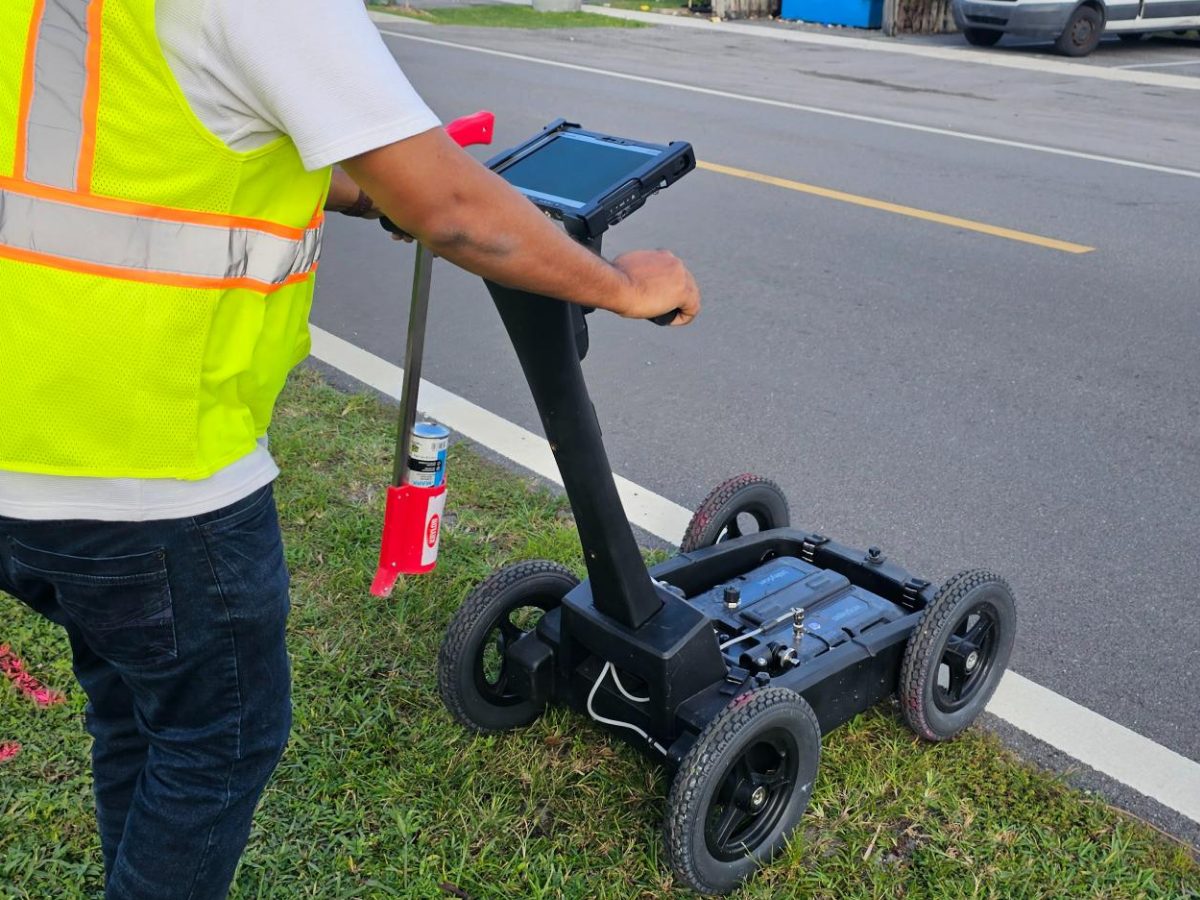
Underground scanning and locating can support the planning process by helping project teams investigate potential conflicts along or near a proposed bore path. These services complement, rather than replace, engineering review, required utility notifications, and site-specific drilling procedures.
Investigate selected areas along a proposed bore path to help identify potential buried utilities or subsurface anomalies. Results should be evaluated alongside utility records, field markings, engineering information, and other appropriate verification methods.
Review proposed entry and exit locations where underground infrastructure could affect setup or drilling activity. Access, surface materials, and the size of the work area determine the appropriate investigation scope.
Investigate potential conflicts between existing buried infrastructure and the proposed installation. Detection findings can help identify areas requiring additional checks but cannot guarantee that every utility or obstruction will be found.
Organize the available underground information before drilling begins. A coordinated review can help project stakeholders understand known conditions, unresolved questions, and the additional verification required for safe execution.
| Service | Estimated Cost | Average |
|---|---|---|
| Bore path scanning | Quote required | Depends on area and scope |
| Entry and exit area investigation | Quote required | Depends on site conditions |
| Multi-area pre-drilling investigation | Quote required | Depends on project complexity |
These categories cover investigation and scanning support, not the cost of drilling or installing a utility. No fixed prices or verified averages are stated. A complete drilling estimate must come from the appropriately qualified HDD contractor.
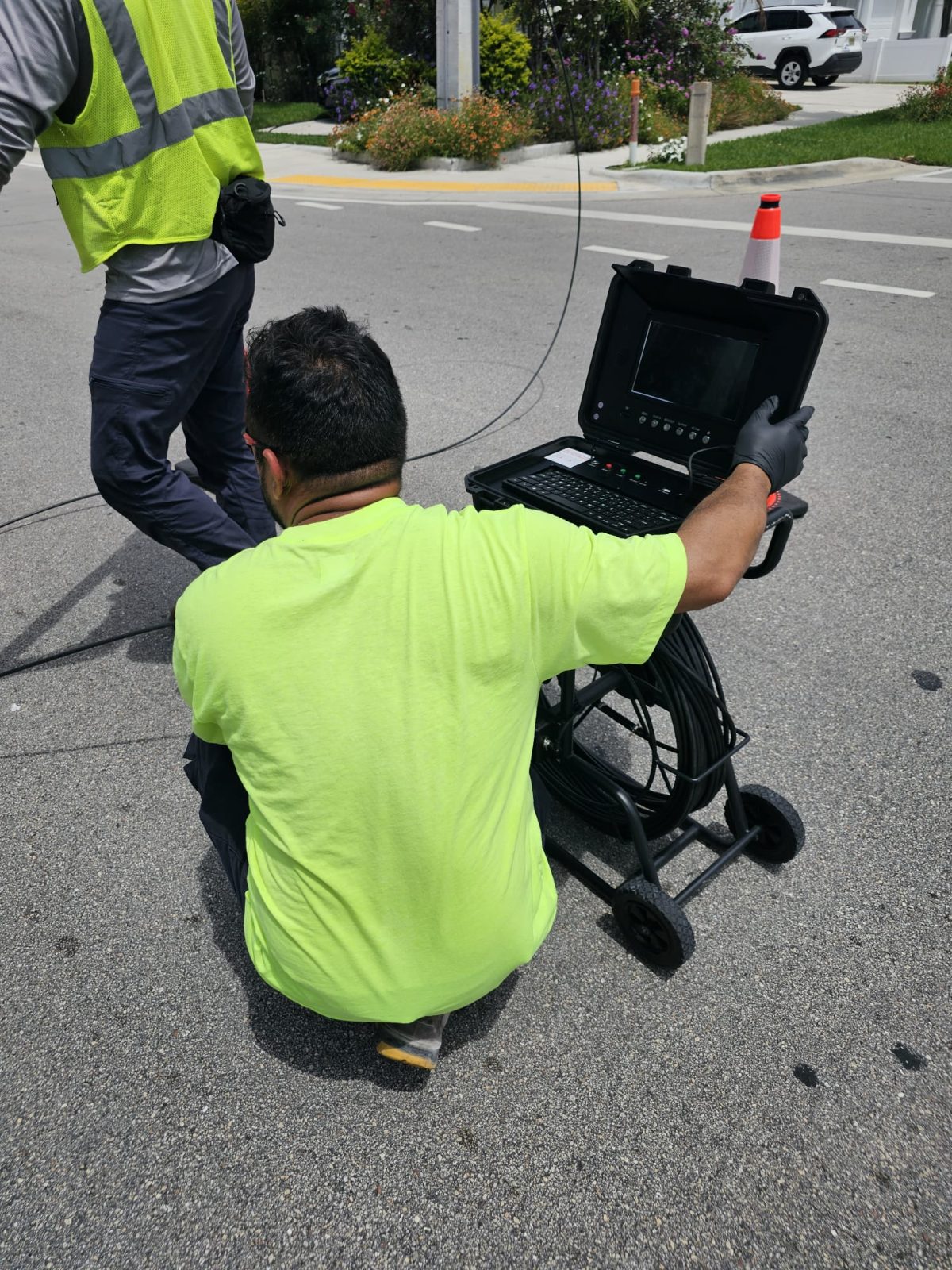
Scanning and locating can help identify potential underground conflicts before a bore path is put into operation.
Bore path planning is more effective when scanning findings are considered alongside site plans, public utility markings, engineering requirements, and the drilling contractor's procedures.
A scan cannot guarantee that every buried object is detected. Unresolved conflicts should be evaluated and verified before work proceeds.
Planning a trenchless utility installation? Share the proposed route and project requirements to discuss scanning support.
Free — no obligations
Discuss the utility being installed, proposed route, bore depth, entry and exit points, and project schedule.
Review available records and identify sections where scanning or additional utility investigation may be useful.
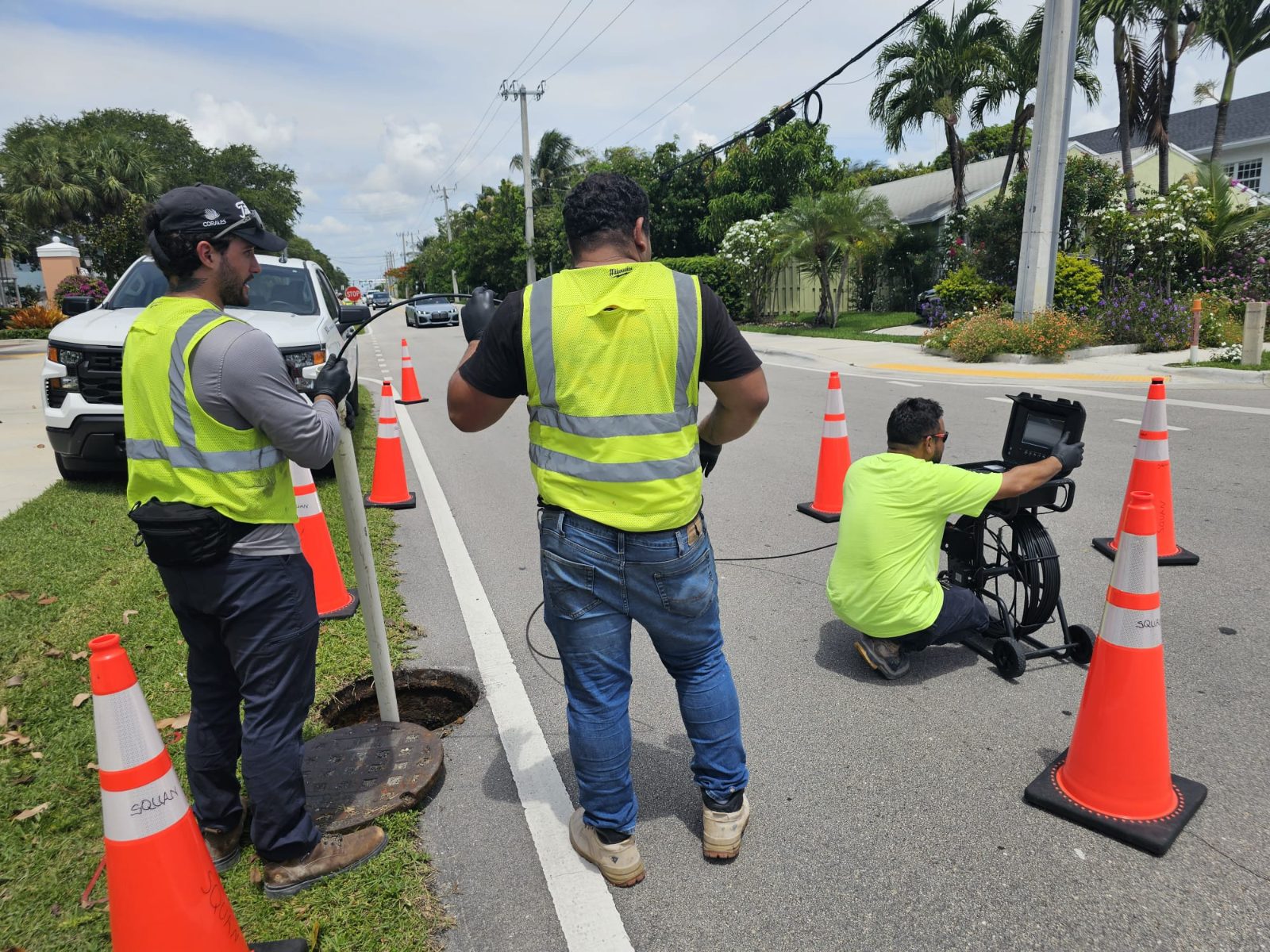
Investigate accessible areas using suitable detection methods and communicate relevant site limitations.
Explain potential conflicts and unresolved questions so the responsible project professionals can determine the required verification and next steps.